The Ultimate Festival Packing List: Camping Essentials & Checklist
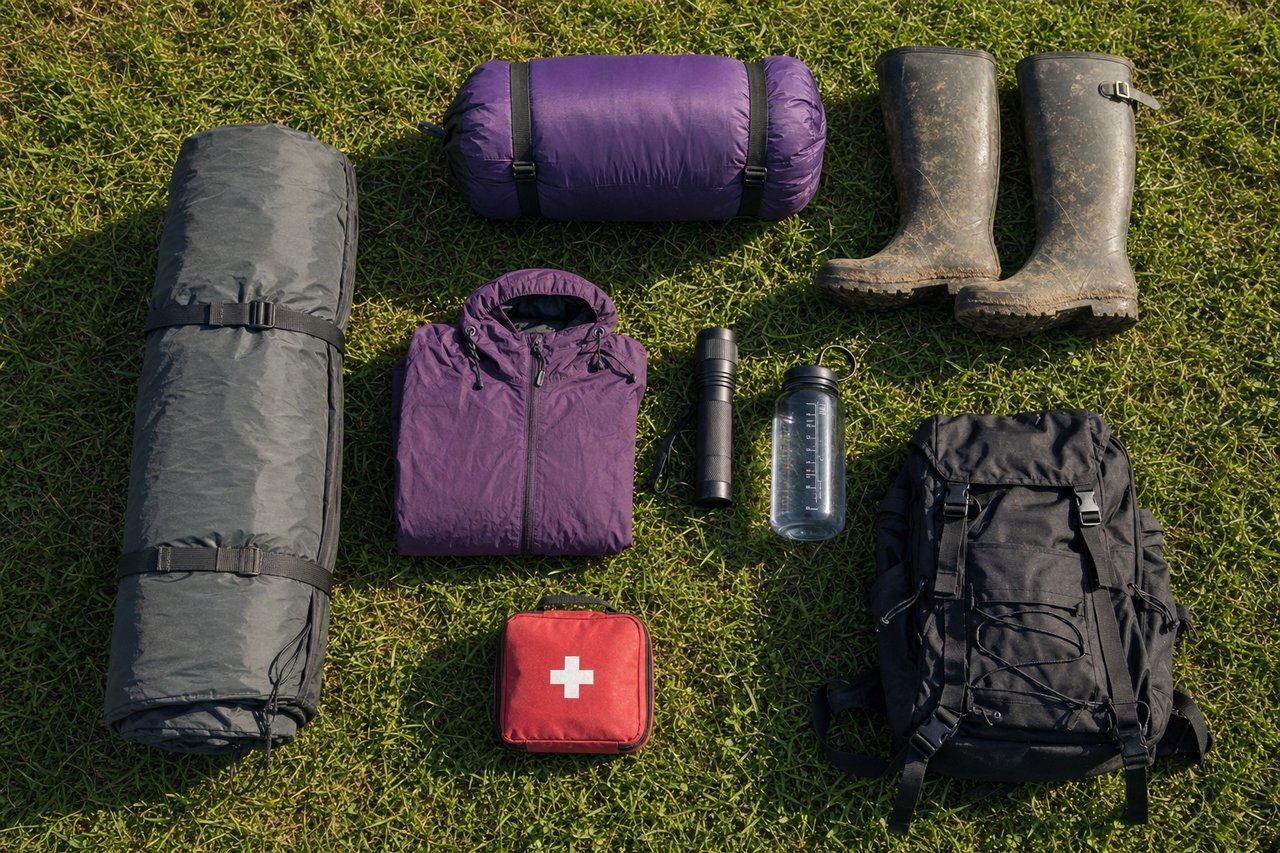
Getting festival camping essentials right the first time saves a miserable, sleepless first night under canvas. This festival packing list breaks down exactly what to bring, sorted into shelter, clothing, food, hygiene, security and a short list of genuinely useful extras, so nothing important gets left behind in the car boot at two in the morning.
Most of it applies to a single small local show and a full week at one of the UK's largest festivals alike. What changes is scale: more clothing layers, more food storage, and more careful planning around where the tent actually goes.
For anyone who has not picked a festival yet, the full UK festival calendar and list is the natural starting point before working through this page.
Festival Camping Essentials by Category
Most festival camping essentials fall into six categories, and skipping any one of them is what tends to ruin a weekend rather than any single missing item. Working through them in order, before anything gets thrown in a bag, is faster than packing by instinct and checking later.
Shelter & Sleep
- Tent rated for genuinely wet weather, pitched and seam-sealed before the trip rather than for the first time on-site.
- Groundsheet or footprint under the tent, to stop water pooling underneath overnight.
- Sleeping bag rated well below the forecast low; UK festival nights get colder than the daytime weather suggests.
- Sleeping mat or airbed with some insulation, since cold rises from the ground faster than most people expect.
- Pillow or inflatable travel pillow; a rolled-up jumper works, but sleeps worse over several nights.
- Mallet and spare pegs; site ground varies hugely, and pegs bend or snap more often than tent instructions suggest.
Clothing & Weather
How much clothing should I bring for a UK festival, given the weather, is one of the most common questions on this whole list, and the honest answer is: more layers than feels necessary, plus one full backup outfit kept dry no matter what.
- Waterproof jacket, genuinely waterproof rather than shower-resistant, since UK festival rain rarely stays light.
- Wellies or waterproof boots, already broken in; blisters from new boots ruin a weekend as fast as bad weather does.
- A spare pair of dry shoes, sealed in a bag until the walk back to the car at the end.
- Layers for temperature swings: festival days can run warm at midday and genuinely cold after dark, even in summer.
- A sun hat and a separate warm hat for the evening; a single UK festival weekend can call for both.
Camp Comfort & Food
- A low camping chair, small enough for a rucksack, for the moments between stages when standing gets old.
- A refillable water bottle; most UK festivals now have free refill points, and the plastic-bottle queue is rarely worth it.
- Snacks that survive heat: dried fruit, flapjacks and anything that will not melt in a hot tent.
- A small camping stove and basic cookware, where the site allows one, for at least one proper hot meal a day.
- A cool bag or cool box for the first day or two, before the ice inevitably runs out.
Hygiene & Health
- Baby wipes or dry shampoo; showers at most UK festivals are limited, queued, or both.
- Hand sanitiser, kept somewhere easy to reach rather than buried at the bottom of a bag.
- A basic first aid kit: blister plasters, painkillers, antihistamines and any personal medication, with several days' spare supply.
- Ear plugs, useful for actually sleeping near a campsite that rarely goes quiet before 3am.
- Sun cream, reapplied more often than most people plan for, even under grey UK skies.
Money, Valuables & Security
- A portable power bank, charged in advance; phone signal and battery both drain faster on a festival site.
- A small amount of cash as backup, since card readers and signal both fail intermittently on busy sites.
- A dry bag or waterproof pouch for phone, cash and ID, worn on the body rather than left in a tent.
- A cheap padlock for the tent zips; it will not stop a determined thief, but does stop casual opportunism.
- Photos of tickets and ID, saved offline on a phone, in case a paper or physical copy gets lost or soaked.
Extras Worth the Space
- A permanent marker, for labelling a tent in a field of a few hundred near-identical ones.
- A flag or something tall and distinctive tied to a guy line, for finding the tent again after dark.
- A second pair of ear plugs, kept somewhere separate from the first, since the first pair always goes missing.
- Playing cards or a small travel game for downtime between sets, when battery and phone signal are both unreliable.
Evenings between sets are also when a lot of that downtime actually happens. Some people read, some people nap in the shade of a gazebo, and plenty end up scrolling football betting sites in the UK from a phone with 4% battery left rather than queueing for a food van again. A backup power bank earns its keep here as much as anywhere else on this list.
Multi-day festivals that mix music with talks and ideas need a slightly different kit list than a straightforward camping-and-bands weekend. How the Light Gets In Festival, at Hay-on-Wye, is a good example: long seated sessions and debate tents call for a notebook and an extra layer as much as dancing shoes, on top of everything already on this list.
Stage design has quietly become its own small industry within festivals. The way a marquee, a bandstand or even a repurposed concert hall interior is lit and shaped changes how a set actually feels. This look at a national concert hall design project is worth a browse for anyone curious about where festival staging ideas actually come from.
The Full Festival Packing List Checklist
The full checklist above groups everything by category, so it is possible to just work down the page while packing rather than flipping between sections. Print or screenshot the checklist the night before leaving; there is rarely a good phone signal in a field to load a page from scratch.
This festival packing list UK edition assumes a standard weekend camping event with typical British weather, meaning rain gear is never optional. Every festival packing list UK campers put together tends to start with the same shelter basics, then diverges by weather and site.
Pack the essentials for festival camping before anything else: a tent that is actually weatherproof, a sleeping system rated for UK summer nights, and enough water storage for a car-free walk-in pitch. If one thing is worth taking from this guide, it is the essentials for festival camping list under the shelter section above.
This music festival packing list assumes a standard weekend camping event rather than a single day-ticket show, the kind of trip that covers a big-name weekender like Reading or Download as easily as a smaller local lineup few people outside the region have heard of. Compared with any other music festival packing list online, the shelter and hygiene sections here tend to matter most in practice.
Some readers want the shortest possible version. Call it the ultimate festival packing list, cut down to a single page: shelter, layers, power, water, cash, first aid. Weather never really cooperates. The ultimate festival packing list is not about bringing more; it is about bringing the right things in the right order.
What to Leave at Home
A few things consistently take up space without earning it. A second full-size pillow rarely gets used once the first night proves a rolled jumper works fine. Glass bottles are banned outright at most UK festival sites, checked for at the gate, and heavy besides. Anything valuable that is not strictly needed, expensive electronics beyond a phone and a basic power bank, jewellery, a laptop, is safer left at home than risked in a shared field.
One thing worth double-checking on the way out of the car park: tent pegs, all of them, since they are the single most common item left behind in the ground once a festival ends.
Common First-Timer Mistakes
Most festival packing regrets trace back to a handful of repeat mistakes rather than a genuinely unpredictable weekend. Pitching a tent for the very first time on-site is the most common: a groundsheet seam that leaks or a pole that will not seat properly is a minor annoyance in a back garden and a real problem at 11pm in a dark field. A single practice pitch at home, even in a hallway, catches most of it.
Underestimating overnight cold is a close second. Daytime sun makes packing a heavy sleeping bag feel like overkill, but UK festival nights regularly drop ten degrees or more after dark, even in the middle of summer, and a bag rated for the forecast high rather than the forecast low is the single most common reason for a miserable night's sleep on a first festival trip.
Packing too much is almost as common as packing too little. Everything gets carried from the car park to the tent by hand, sometimes across a field with no vehicle access at all, so a rucksack that felt manageable at home can turn a twenty-minute walk into an hour. Packing by the category list above, then removing one item from each category before leaving, tends to land closer to the right amount than packing on instinct.
Finally, treating the site map as optional is a mistake that only shows up once it is too late to fix. Knowing roughly where the tent sits relative to the main gate, the nearest toilets and at least one landmark stage before dark falls on the first night saves a lot of wandering later, especially once a few thousand near-identical tents make the campsite genuinely hard to navigate by memory alone.
Frequently Asked Questions
What are the essential items to pack for a festival?
A weatherproof tent, a sleeping bag rated below the forecast low, a waterproof jacket, broken-in wellies or waterproof boots, a portable power bank, and a basic first aid kit cover most of what actually matters. Everything else on a festival packing list is comfort or convenience; those items are closer to non-negotiable, since going without any one of them tends to define the whole weekend.
What should I NOT bring to a festival?
Glass bottles are banned outright at most UK festival sites and get confiscated at the gate, so they are wasted weight before the tent is even up. A second full-size pillow, expensive electronics beyond a phone and a power bank, and anything genuinely irreplaceable are all safer left at home than risked in a shared campsite.
How do I pack for a multi-day camping festival?
Pack by category rather than by day: shelter and sleep, clothing and weather, food and comfort, hygiene and health, money and security, then extras. A multi-day trip needs more clothing layers and more food storage than a single day out, plus a realistic plan for charging a phone and washing without regular access to power or a shower.
What’s the best way to keep valuables safe at a festival?
Keep phone, cash and ID in a dry bag or waterproof pouch worn on the body rather than left inside a tent, and use a cheap padlock on the tent zips as a basic deterrent against casual opportunism, not determined theft. Photographing tickets and ID and saving the images offline is a simple backup if a paper copy is lost or soaked.
What should I pack for a festival with kids?
On top of the standard list, ear defenders for younger children, a fully-stocked first aid kit with children’s medication, a way to mark where the tent is from a distance, and more spare clothing than feels necessary all matter more with kids along. Family-friendly festivals with quiet-camping areas also tend to make the rest of the packing list easier to get right.
Do I need a specific tent for festival camping?
Not a specific model, but a genuinely weatherproof one, seam-sealed and pitched at least once before the trip so any problems show up at home rather than on-site. A groundsheet or footprint underneath stops water pooling in overnight, and spare pegs matter more than most people expect, since site ground varies hugely and pegs bend or snap often.
How much clothing should I bring for a UK festival, given the weather?
More than feels necessary, plus one full backup outfit kept dry no matter what. UK festival days can run warm at midday and turn genuinely cold after dark, even in summer, so layers matter more than any single heavy item. A hat for sun and a separate warm hat for the evening cover both ends of a typical day.
What food should I pack for a festival?
Snacks that survive heat and a rucksack without melting, such as dried fruit and flapjacks, cover the gaps between meals. A cool bag or cool box handles the first day or two before ice runs out, and a small camping stove, where the site allows one, makes at least one proper hot meal a day realistic.
Is there a printable version of this packing list?
The full checklist further down this page is laid out specifically to be scanned or screenshotted before leaving, since phone signal on most festival sites is unreliable at best. Printing it or saving a screenshot the night before is the simplest way to have it on hand without depending on a connection.
How early should I arrive to get a good camping spot?
As close to the gates opening as realistically possible, particularly for the largest festivals, where the closest camping fields to the arena and toilets fill first. Arriving on the first day of the event, rather than the following morning, is consistently the difference between a short walk to the stages and a much longer one.