The Best UK Music Festivals for 2026: Full Calendar and List
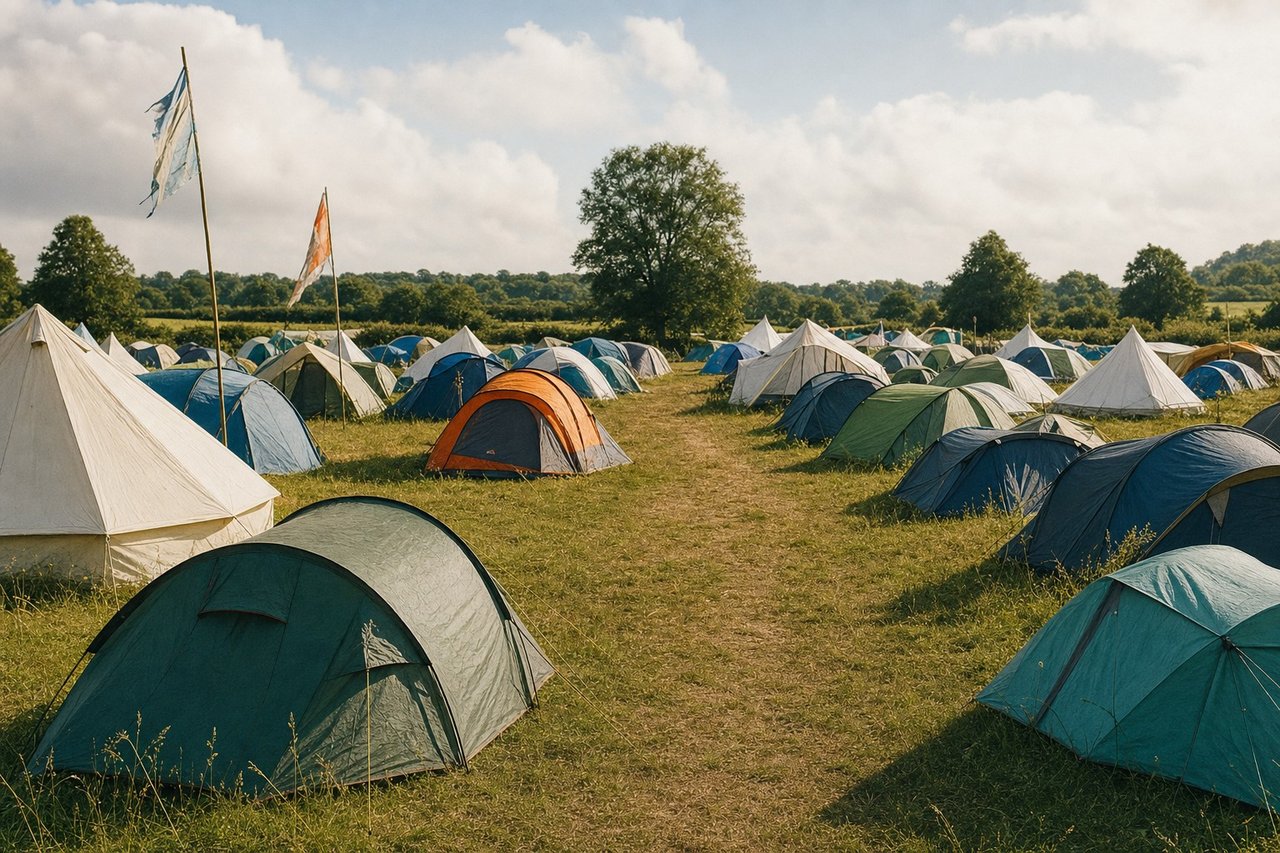
Working out where to spend a summer weekend starts with knowing what is actually on. This guide to UK music festivals 2026 pulls the year's line-up into one place: the big multi-stage weekenders, the family-friendly options with kids' zones and quiet camping, the electronic and dance specialists, and the smaller independent festivals that rarely make the mainstream round-ups.
None of this is exhaustive. A full national list would run into the hundreds once every single-day show and local event is counted. Instead, this is a working list of UK music festivals worth planning a weekend around, organised by scale and audience so it is quick to scan rather than one long undifferentiated block of names.
The Best UK Music Festivals to Catch This Year
A handful of festivals dominate most conversations about the best UK festivals, and for good reason: scale, production budget and a broad, mainstream-leaning line-up. Reading & Leeds is the obvious starting point. It is a twin-site festival held across the August bank holiday weekend, with matching bills at Reading and Leeds and one of the biggest, broadest audiences of any UK festival weekend. Download Festival, staged at Donington Park in Leicestershire every June, plays a similar role for rock and metal fans; it is the country's leading festival for that audience, full stop.
All Points East, held in London's Victoria Park across a run of individually curated days each August, takes a different approach. Rather than one continuous weekend line-up, each day is booked and billed almost as its own separate show. The Isle of Wight Festival, at Seaclose Park in Newport every June, is one of the genuinely historic entries here: its late-1960s and early-1970s editions are still referenced as some of the most significant festival moments in British music history, and the modern version has run as one of the country's longest-standing large festivals.
Between them, Reading & Leeds, Download, All Points East and the Isle of Wight Festival account for a large share of the biggest UK music festivals by attendance. This shortlist of the biggest UK music festivals is also usually the safest bet for a first festival, since production and safety standards scale with size and budget.
| Festival | Location | When | Known for |
|---|---|---|---|
| Reading & Leeds Festival | Reading and Leeds (twin-site) | August bank holiday weekend | One of the biggest events on the UK festival calendar; a broad, mainstream-leaning line-up across multiple stages at both sites |
| Download Festival | Donington Park, Leicestershire | June | The UK's leading rock and metal festival |
| All Points East | Victoria Park, London | August | Individually curated days rather than one continuous weekend line-up |
| Isle of Wight Festival | Seaclose Park, Newport, Isle of Wight | June | One of Britain's oldest and most storied festivals |
One notable absence from this year's calendar is Glastonbury Festival, which is not taking place in 2026. It is a scheduled fallow year, something the festival does periodically to let its Somerset site recover between editions. It is a normal part of how Glastonbury has always operated, not a cancellation, but it does mean 2026 plans built around "the big one" need a different headline festival instead.
The Full UK Music Festivals List, by Type
Outside the four biggest names, most of the UK music festivals worth knowing about split fairly cleanly into a few types: family-friendly events built around children's activities as much as music, festivals built specifically for electronic and dance line-ups, and smaller independent festivals that trade scale for a tighter, more curated bill. The list of UK music festivals below is grouped that way rather than as one flat table, since the right pick depends more on what kind of weekend is wanted than on which festival is biggest.
Family-Friendly Festivals
These festivals build circus acts, workshops, quiet camping fields and dedicated kids' zones into the weekend alongside the main music line-up, aimed squarely at people bringing children rather than working around them.
| Festival | Location | Known for |
|---|---|---|
| Camp Bestival | Lulworth Castle, Dorset coast | Family-focused, with circus attractions and children's workshops alongside the music |
| Latitude | Henham Park, Suffolk | Pairs a broad music line-up with theatre, comedy and literature programming, plus a dedicated family camping area and children's activity zone |
| Green Man | Brecon Beacons, Wales | Family-friendly independent festival known for its setting and wider arts programming |
| Bearded Theory | Derbyshire | One of the Midlands' biggest family-friendly festivals |
| Deer Shed | North Yorkshire | Built around families specifically: music alongside science, arts and literature programming, verified kids' zones and quiet-camping options |
Electronic & Dance Festivals
For house, techno, trance and drum & bass, a smaller set of festivals dominates: some built at a genuinely huge scale, others deliberately small and specialist.
| Festival | Location | Known for |
|---|---|---|
| Creamfields | Daresbury Estate, Cheshire | The UK's flagship dance music festival, spanning house, techno, trance, drum & bass and more across multiple stages |
| Parklife | Heaton Park, Manchester | A major two-day dance and electronic festival |
| Gottwood | Anglesey, North Wales | A smaller, boutique electronic festival focused on underground house, minimal and techno, set in forest surroundings |
Small & Independent Festivals
Independent festivals rarely compete with the headline names on scale, but they are consistently where new acts get discovered, and where festival-going feels least like a corporate operation.
| Festival | Location | Known for |
|---|---|---|
| End of the Road | Larmer Tree Gardens, Dorset/Wiltshire border | New-music discovery; has repeatedly won Best Small Festival at the NME Awards |
| 2000trees | Upcote Farm, Withington, near Cheltenham, Gloucestershire | Independent rock and alternative festival in the Cotswold Hills, held early-to-mid July |
| Boomtown | Matterley Estate, Hampshire | Large, immersive, theatrically-staged festival with an eclectic multi-genre line-up |
Building Your UK Music Festivals Calendar
Most UK festival organisers announce an initial run of headline names in the autumn or winter before the festival, with full line-ups typically confirmed in stages through spring. Early tickets are often bought on trust in the promoter and the festival's track record rather than a confirmed bill. Booking early usually makes the difference between a reasonable ticket price and a sold-out event. The biggest names on this UK music festivals calendar tend to sell out their cheapest tiers first, sometimes within hours of going on sale.
This UK music and arts festivals calendar deliberately mixes categories. Pure music weekenders sit alongside festivals that lean as much on comedy, theatre or literature as on the main stage, which is genuinely how most large UK festivals are put together now; very few stick to music alone.
None of that requires obsessive tracking. A simple approach works for most people: pick one or two headline weekends from the best UK festivals list above, add a smaller independent festival if there is one within reasonable travel distance, and leave everything else as a loose maybe-list rather than a fixed plan. Whichever names end up on the shortlist, treating this UK music and arts festivals calendar as a rough shape for the year, rather than a fixed itinerary, tends to make for a better summer than locking in every weekend in January.
Once a festival is actually booked, the planning shifts from picking dates to packing kit: tents, weather-appropriate clothing, and the smaller items that are easy to forget until the first cold, wet night in a field. The full festival packing checklist covers all of that in more detail, organised the same way this page is: by category, not as one long list. Bookmark this UK music festivals 2026 guide and revisit it as more line-ups get confirmed. Ticket alerts are worth setting the day a festival announces even a partial line-up. Reading & Leeds and Download in particular tend to move through their early-bird allocations well before the full bill is public.
Choosing Between a Big Festival and a Small One
The biggest UK music festivals win on production value: bigger stages, longer headline sets, and a bill deep enough that there is almost always something worth watching. That scale comes with trade-offs that rarely show up on the lineup poster. Toilet and food queues stretch longer, the walk between stages can run to twenty minutes at the largest sites, and phone signal reliably struggles under tens of thousands of people in one field. None of that is a reason to avoid the big names; it is just what "biggest" actually costs day to day.
Smaller and independent festivals trade some of that scale for a tighter, more predictable weekend. Queues are shorter, stages are closer together, and it is genuinely possible to catch most of the acts worth seeing without a sprint between clashing set times. The bill is usually less star-studded, but discovery is more likely, since smaller festivals tend to book acts a year or two before they break through more widely.
Travel and accommodation matter more than most first-time planning accounts for. A festival within a couple of hours by car or train keeps the option of arriving fresh on the first morning rather than after a long drive; anything further tends to work better as a full trip built around the weekend rather than a there-and-back dash. Camping-based festivals also compress this decision, since the site itself becomes the accommodation for the whole weekend once the gates open.
A reasonable rule of thumb for a first festival: pick one big, well-known name for the scale and production, and pair it later in the year with one smaller independent festival for contrast. Comparing the two directly tends to make it much clearer which style is actually preferred, rather than guessing from a lineup poster alone.
Frequently Asked Questions
What are the biggest music festivals in the UK?
Reading & Leeds, Download Festival and All Points East are usually the first names that come up. Reading & Leeds runs as a twin-site event over the August bank holiday weekend with a broad, mainstream-leaning bill at both sites. Download, at Donington Park in Leicestershire every June, is the country’s leading rock and metal festival. All Points East, in Victoria Park across a run of individually curated August days, adds a different shape to the same tier: several distinct bills rather than one continuous weekend.
What’s the difference between a camping festival and a day festival?
A camping festival runs across a full weekend or longer, with a ticket that includes on-site camping, so the schedule and the accommodation are bought together. A day festival is a single ticketed day with no overnight stay built in. Most of the largest UK festivals, including Reading & Leeds, Download and Isle of Wight, are camping events; day-only formats are more common at smaller, single-site shows.
Are there family-friendly music festivals in the UK?
Yes. Camp Bestival, at Lulworth Castle on the Dorset coast, is built around families and pairs its music line-up with circus acts and children’s workshops. Latitude, at Henham Park in Suffolk, adds a dedicated family camping area and children’s activity zone alongside its theatre, comedy and literature programming. Deer Shed, in North Yorkshire, is explicitly designed for families, with verified kids’ zones and quiet-camping options. Green Man in the Brecon Beacons and Bearded Theory in Derbyshire also run strong family-friendly programmes.
What are the best small or independent UK festivals?
End of the Road, at Larmer Tree Gardens on the Dorset/Wiltshire border, has repeatedly won Best Small Festival at the NME Awards and is known for new-music discovery. 2000trees, held at Upcote Farm near Cheltenham in the Cotswold Hills in early-to-mid July, is a well-regarded independent rock and alternative festival. Boomtown, at the Matterley Estate in Hampshire, is larger but keeps an independent, theatrically-staged, multi-genre identity rather than a mainstream headline-driven bill.
How far in advance should I book UK festival tickets?
As early as the budget allows, in general. The biggest festivals sell their cheapest ticket tiers first, and those often go before a full line-up is even confirmed, so waiting for certainty usually means paying more. Smaller independent festivals tend to have more headroom and sometimes still have tickets available close to the event, but that varies a lot from year to year and festival to festival.
When do UK festival lineups usually get announced?
Most organisers reveal an initial run of headline names in autumn or winter, then confirm the rest of the bill in stages through spring. It is common for tickets to go on sale before the full line-up is public, on the strength of the festival’s track record rather than a confirmed running order. Set times and stage splits are typically the last details to land, often only a few weeks before the event.
What genres of music festivals are most common in the UK?
Rock and mainstream pop-leaning festivals cover the biggest share of ticket sales, led by events like Reading & Leeds and Download. Electronic and dance music has its own well-established tier, led by Creamfields and Parklife, with smaller specialist events like Gottwood serving house, techno and minimal fans specifically. Independent festivals such as End of the Road and 2000trees tend to run broader, discovery-focused bills that mix genres rather than sticking to one.
How much does it typically cost to attend a UK music festival?
It varies a lot by festival size and how early tickets are bought. Smaller independent festivals and single-day tickets sit at the cheaper end; full weekend tickets for the largest headline festivals cost considerably more, and that is before travel, camping gear, food and drink are added. Buying in the earliest release tier is consistently the cheapest way in, regardless of which festival is chosen.
Is UK festival camping suitable for beginners?
Yes, with some preparation. The main adjustments for a first-timer are a genuinely weatherproof tent, a sleeping setup rated for cold nights even in summer, and a realistic plan for washing and charging devices without mains power. Family-friendly festivals such as Camp Bestival and Deer Shed are often gentler starting points, since quiet-camping areas and shorter walks to facilities are more common there than at the largest sites.
How do I find festivals near me in the UK?
Start from geography rather than genre: Camp Bestival and End of the Road sit toward the south coast and the Dorset/Wiltshire border, Green Man and Gottwood are in Wales, Bearded Theory and Boomtown cover the Midlands and Hampshire, and Parklife and Creamfields anchor the North West. Cross-referencing a shortlist by region against travel time is usually faster than working through every festival on a single national list.